Jamaican Food in Denver: Best Choices for Flavor-Packed Meals
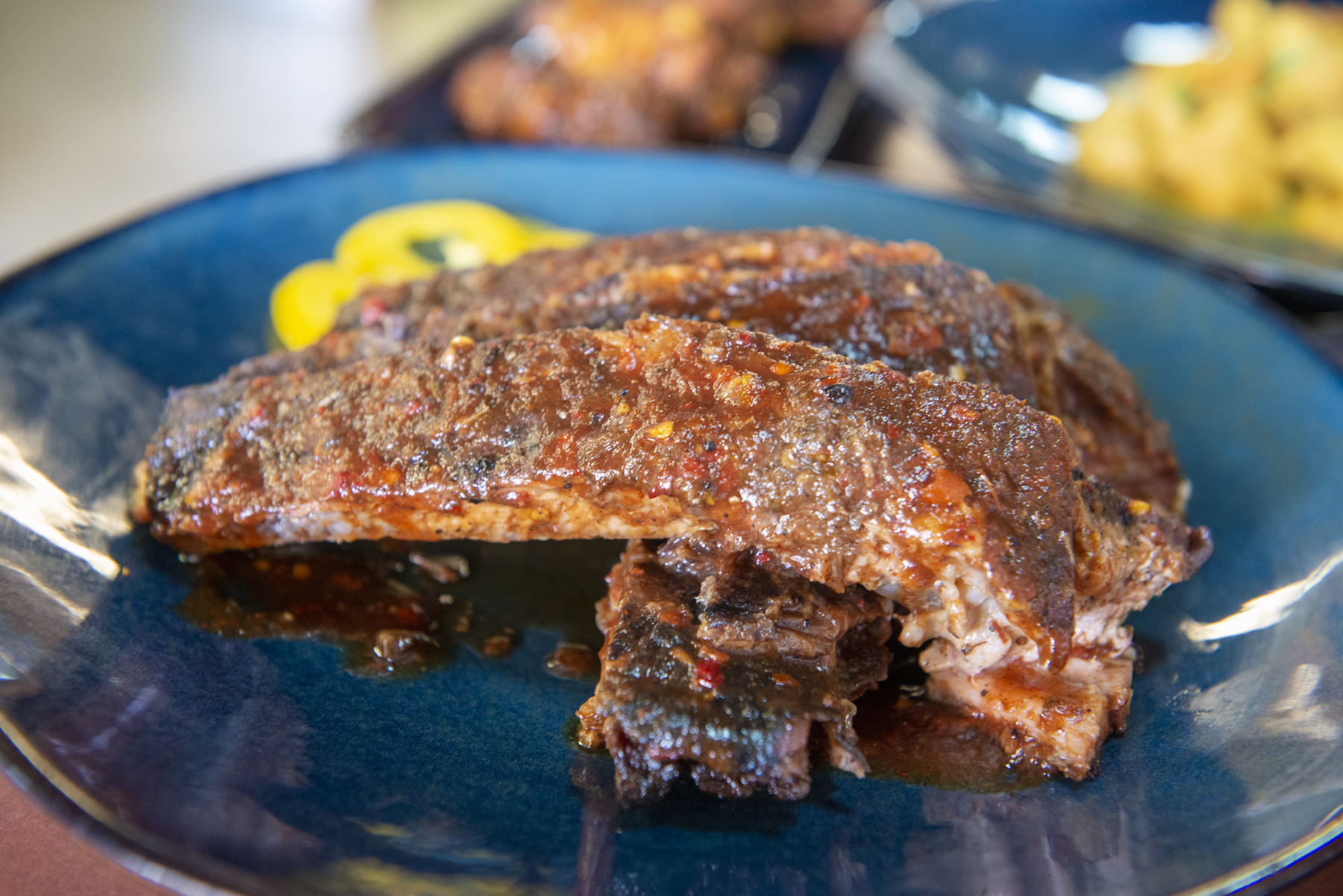
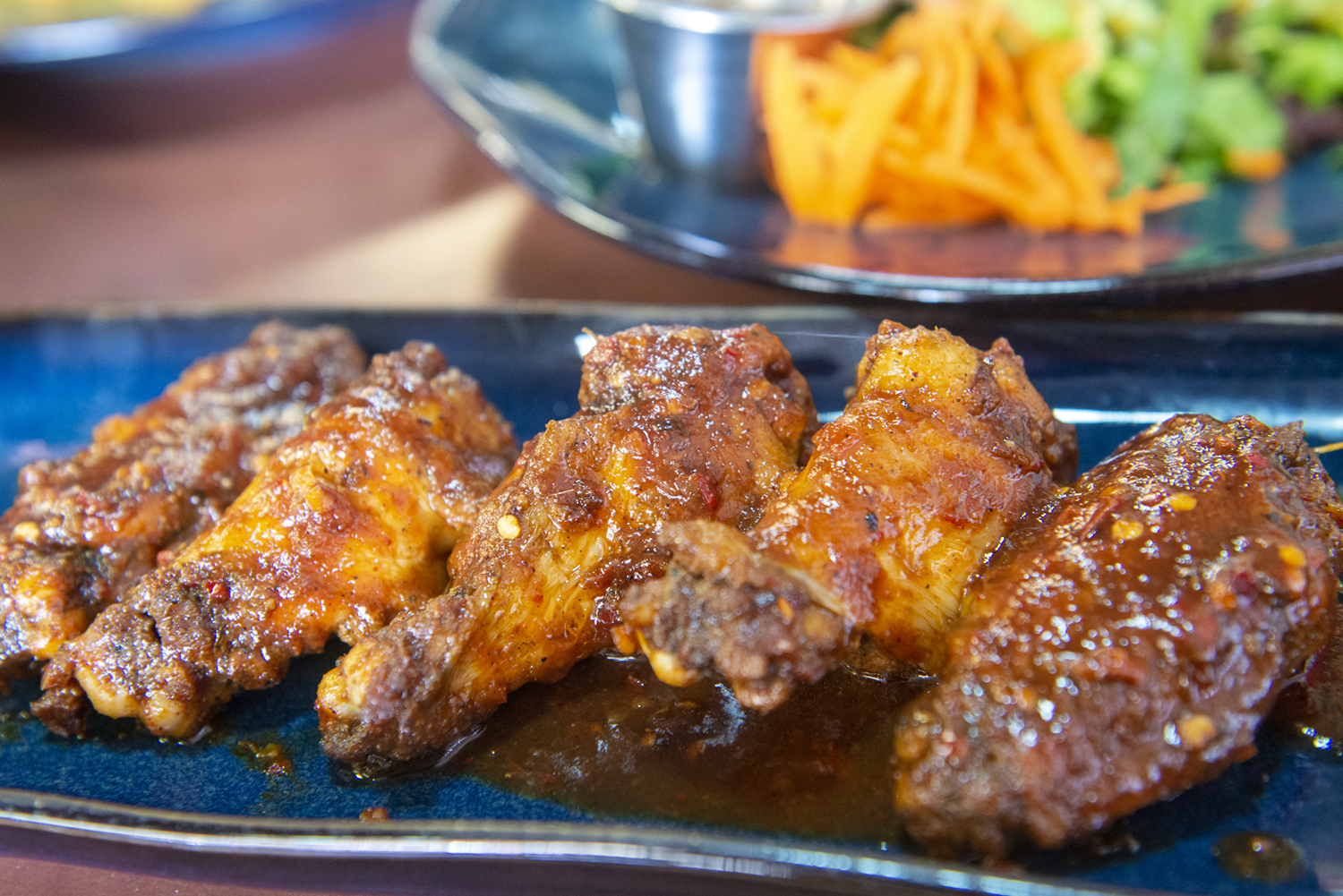
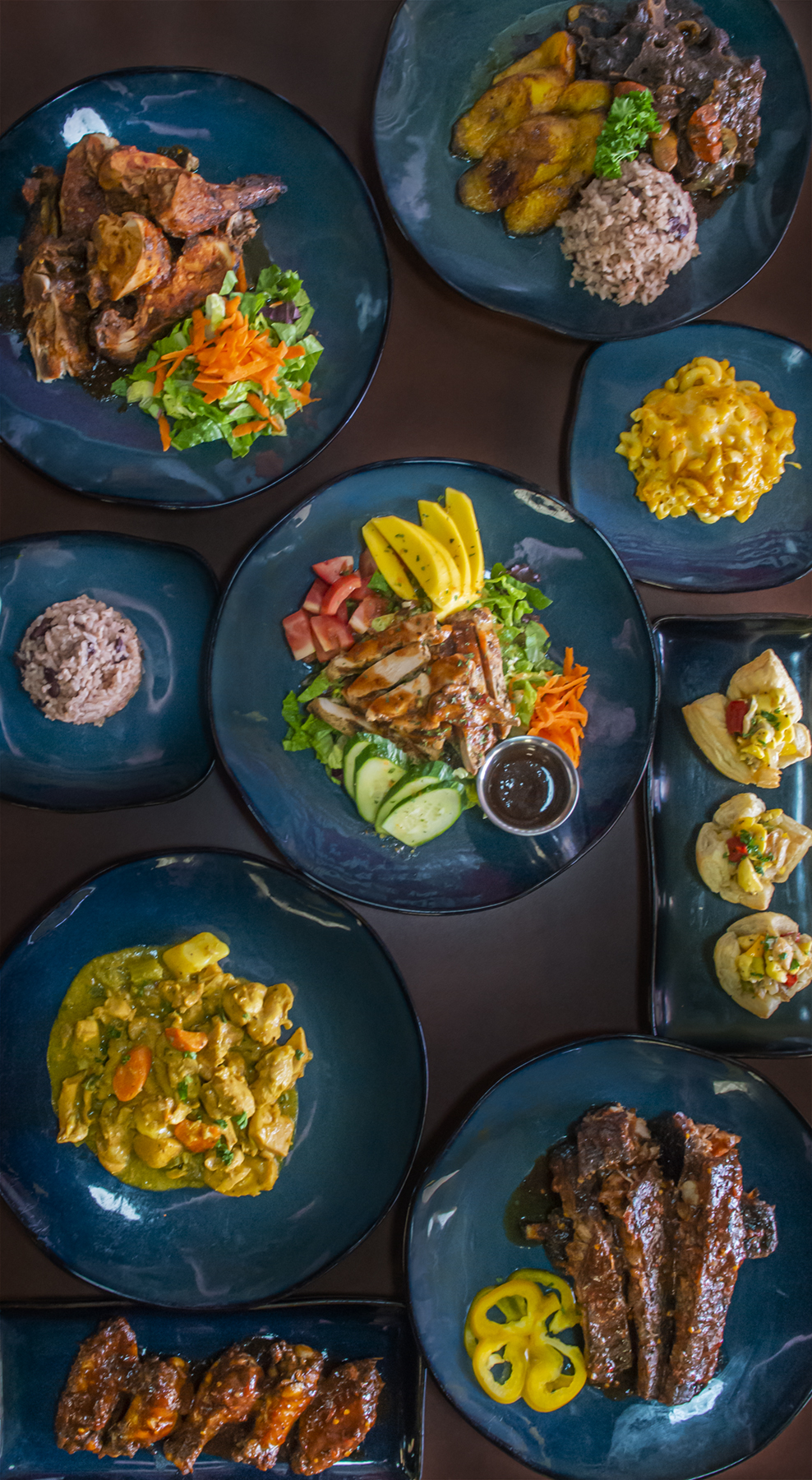
Denver has never lacked for ambition on the food front. Over the last decade, the city has grown into the kind of place where diners expect range, not just refinement. You can still get your chef-driven tasting menus and your polished downtown spots, but what often leaves the strongest impression is food with backbone, food built on memory, technique, and seasoning. That is exactly where Jamaican cuisine earns its place.
When people search for jamaican food denver, they are usually not looking for something timid. They want jerk that actually tastes charred and spiced, not merely dusted with allspice. They want rice and peas with depth, not a bland side pushed to the edge of the plate. They want oxtail that collapses under a fork, curry that clings to the meat, and patties that crackle at the edges. Jamaican food, done well, is not subtle in the muted sense. It is balanced, layered, and deeply satisfying.
Denver’s version of this cuisine is still relatively compact compared with cities that have larger Caribbean communities, but that can work in a diner’s favor. The places that endure tend to do so because regulars return for specific dishes again and again. There is less room here for vague branding and more pressure to deliver real flavor. If you know what to order, what to look for, and what makes a plate feel authentic rather than generic, you can eat very well.
What makes Jamaican food worth seeking out
Jamaican cooking carries a remarkable tension between heat, sweetness, smoke, herbs, and slow-cooked richness. It is one of those cuisines where the seasoning often begins long before the pan heats up. Marinades matter. Resting time matters. The choice between grilling, braising, frying, or stewing matters. The result is food that tastes fully developed.
Jerk is the obvious example, but it is far from the only one. Proper jerk chicken should hit in layers. First comes the smoke and char, then the warm spices, then the unmistakable lift of thyme, scallion, and Scotch bonnet. The heat should be present, but not as a stunt. It should sharpen the whole bite rather than bury it. A lot of restaurants outside the Caribbean reduce jerk to “spicy grilled chicken,” which misses the point entirely.
Stewed dishes tell another story. Oxtail, curry goat, and brown stew chicken rely on patience. If the cook rushes them, the sauce never develops that glossy, concentrated body that makes the https://angeloaysr217.quantlynix.com/posts/a-taste-of-the-caribbean-through-jamaican-food-in-denver dish memorable. If the cook gets it right, the meat takes on the seasoning all the way through and the gravy becomes as important as the protein itself. In Denver, where cold weather can linger and appetites tend to run hearty, these dishes make particular sense.
The sides are not filler. Rice and peas, usually made with kidney beans and coconut milk, should carry enough flavor to stand on their own. Cabbage often adds freshness and contrast. Fried plantains can be soft and caramelized, giving a sweet counterpoint to salt and spice. Festivals, those lightly sweet fried dough companions, can turn a plate from good to complete.
Denver’s Jamaican scene, smaller but more focused
Denver is not New York, Toronto, or South Florida when it comes to Caribbean food density. You are not going to find an endless corridor of Jamaican storefronts on every corner. What you do find instead is a more selective landscape. Spots that specialize in Jamaican and broader Caribbean cooking often become neighborhood anchors. Their reputations travel by word of mouth, office lunch recommendations, family takeout habits, and the very honest currency of repeat weekend orders.
That matters because Jamaican food is difficult to fake for long. Diners who grew up on it know the difference immediately. Even people without that background can tell when the flavors feel flat or disconnected. A restaurant serving Jamaican food in Denver has to convince both groups, the homesick eater searching for familiarity and the curious diner trying the cuisine for the first time.
The strongest places usually share a few traits. They season generously. They understand texture. They do not shy away from bone-in cuts or longer cook times. And they often keep a menu that is broad enough to show range but focused enough that the kitchen can do each item justice. If you see a spot trying to be all things at once, Jamaican, soul food, barbecue, seafood boil, tacos, and pizza under one roof, caution is warranted. A concise menu, or at least a section with clear priorities, often signals confidence.
The dishes that separate a decent meal from a great one
If you are new to Jamaican food in Denver, start with the dishes that reveal the kitchen’s discipline. A good jerk chicken plate can tell you a lot, but only if you pay attention beyond the spice level. Look for seasoning beneath the surface, not just on top. The best versions carry smoke from the grill, some dark caramelization at the edges, and enough moisture inside that the meat does not need drowning in sauce.
Oxtail is another benchmark. It is rarely the cheapest item on the menu, and for good reason. It takes time, trimming, and careful braising. When it arrives properly cooked, the connective tissue has melted into the gravy, the meat pulls away from the bone with little resistance, and every spoonful tastes concentrated. Thin, watery gravy is usually a warning sign. So is meat that feels chewy in the wrong way.
Curry goat can be even more revealing. Goat rewards strong seasoning, but it also exposes imbalance quickly. Too much curry powder and the dish turns dusty. Too little, and it tastes like generic stew. What you want is a sauce that tastes rounded and aromatic, with ginger, garlic, allium, and spice all in proportion. The meat should be tender enough to separate easily but still hold shape.
Patties deserve more respect than they often get. People treat them as a snack, which they are, but they are also a measure of care. A good Jamaican patty has a flaky shell with enough structure to contain a well-seasoned filling. Beef is common, but chicken and vegetable versions can be excellent as well. Dry filling or soggy pastry usually means the item is an afterthought rather than a house specialty.
Here are the menu items most likely to reward a first visit:
- Jerk chicken, especially if the restaurant cooks over flame or emphasizes traditional seasoning.
- Oxtail with rice and peas, for depth, richness, and a clear sense of the kitchen’s braising skill.
- Curry goat, which shows whether spice and tenderness are in balance.
- Beef patties, ideal for testing the basics before committing to a full plate.
- Escovitch fish or brown stew fish, if available, for a look at how the kitchen handles acidity and texture.
That short list is not exhaustive, but it gives you a reliable path through most menus. If a place executes those dishes well, the rest of the menu usually follows suit.
How to read a Jamaican menu like someone who has done this before
One mistake many diners make is ordering only by familiarity. They gravitate to grilled chicken because it feels safe, or they skip bone-in dishes because they seem less convenient. Jamaican cooking rewards the opposite instinct. Some of the best plates are the ones that ask for a little patience.
Bone-in preparations often carry more flavor. That is true for curry goat and brown stew chicken, and it is especially true for oxtail. A dish might look rustic, but that is often part of what makes it satisfying. You are not always meant to race through it. You are meant to work through rice, gravy, vegetables, and meat together.
Another thing to watch is the heat level. Not every Jamaican dish is aggressively spicy, and not every restaurant in Denver uses Scotch bonnet with the same intensity. If you love heat, ask whether the spice is built into the dish or offered on the side. Some kitchens keep the base slightly gentler to suit a broad customer base, then provide pepper sauce separately. That can be a benefit, not a compromise, because it lets you adjust the meal without masking the underlying seasoning.
Portion style also varies. Some places serve tightly composed restaurant plates, while others lean into the generous takeaway-container model that regulars often prefer. Neither format is automatically better. What matters is whether the ratios make sense. Too little gravy with rice and peas leaves the plate feeling dry. Too much, and the textures blur into one.
Signs you have found the right spot
Good Jamaican restaurants tend to reveal themselves quickly, sometimes before the food even lands on the table. You smell thyme, smoke, onion, pepper, and simmering stock in the air. You notice regulars walking in without hesitation. You see dishes coming out that look lived-in rather than overstyled.
There are also practical clues on the menu. A place that runs out of a braised item late in the day can be frustrating, but it is not always a bad sign. Slow-cooked food made in finite batches often disappears. What matters is whether the kitchen is consistent when the item is available. Likewise, a menu that changes availability by day may simply reflect a small operation managing labor and prep intelligently.
Texture is another giveaway. Proper fried plantains should be soft and caramelized, not dried out. Cabbage should still have a little life to it, not feel boiled into submission. Rice and peas should taste of more than starch. Those details separate a meal assembled from a formula from a meal cooked with attention.
One habit that helps in Denver is calling ahead for specialty items, especially on weekends or if you are after fish, soup, or a less common braise. Smaller kitchens often prep according to known demand. If you arrive late and the oxtail is gone, it is less likely that the restaurant failed than that enough people knew exactly what to order before you did.
The role of jerk, and why not all jerk is equal
Jerk has become one of those globally recognized food terms that people use loosely. In practice, truly good jerk is specific. It draws on a seasoning base that often includes allspice, thyme, scallion, garlic, ginger, and Scotch bonnet, with variations in sweetness, salt, and aromatics depending on the cook. It also depends heavily on cooking method. Smoke matters. Char matters. Resting the meat matters.
In Denver, where live-fire space, ventilation limitations, and broader audience expectations can all affect execution, jerk may show up in different forms. Some kitchens nail the traditional profile. Others soften the edges or lean sweeter. The best approach as a diner is to judge the whole result rather than demand strict uniformity from every plate. Ask whether the jerk is grilled to order, marinated overnight, or served with a house sauce. Those details tell you far more than the menu description alone.
A strong jerk plate should make you want another bite before you finish the first. You get savory depth, then the herbs, then a little burn, then smoke lingering at the back. If it tastes one-dimensional, usually just salty-hot, the kitchen has missed an opportunity.
What to drink and pair with a Jamaican meal
The right drink can sharpen the meal or calm it down, depending on what you ordered. Rich braises pair well with something refreshing and lightly sweet. Spicier jerk dishes often benefit from a drink that cools the palate without turning cloying. Some restaurants carry Jamaican sodas, ginger beer, sorrel seasonally, or tropical juices that fit naturally alongside the food.
If you are taking food home, this is one of the easiest places to improve the experience. A curry goat or oxtail plate eaten immediately in the car from a takeout box has its own charm, but a little care goes a long way. Transfer the food to a plate, let the rice catch some gravy, and add a bright drink or crisp salad if you want contrast. Jamaican food keeps well, and many braises taste even better after the flavors settle.
Why takeout often works especially well
Some cuisines lose too much between kitchen and front door. Jamaican food usually travels better than most, provided the packaging is decent. Rice and peas hold heat. Braised meats remain moist. Patties can survive the trip if they are vented properly. Jerk may lose a bit of surface crispness, but the core flavors stay intact.
That makes Jamaican food in Denver a strong option for group ordering. The dishes are generous, varied, and accommodating. One person can go for heat, another for comfort, another for something lighter like fish or vegetables. The cuisine also reheats well, which matters more than people admit. Leftover curry goat at lunch the next day is often a gift, not a compromise.
If you are ordering for several people, mix grilled and braised items. That balance keeps the meal from feeling too heavy. Add extra sides if the menu allows. Rice and peas disappear faster than expected, and plantains rarely last to the end of the night.
A few smart ordering moves
For anyone navigating a new restaurant, a little strategy helps:
- Ask what the house is known for, especially if you are ordering late in the day.
- Pair one grilled item with one braised item so you can compare range.
- Do not skip the sides, because they often reveal as much about the kitchen as the mains.
- If spice tolerance varies in your group, ask whether heat comes built in or can be adjusted.
- Order a patty even if it seems small, because it is often one of the clearest expressions of the kitchen’s style.
These are simple habits, but they save people from the common mistake of ordering too narrowly or missing the dishes the restaurant actually excels at.
Beyond the plate, what people are really looking for
When people type jamaican food denver into a search bar, they are looking for flavor, but often there is something else going on. Some want a taste that reminds them of home. Some want a break from the interchangeable lunch options that fill so many business districts. Some are chasing the kind of meal that feels generous without feeling generic. Jamaican food does that unusually well.
There is also something appealing about the honesty of it. These are dishes that do not need elaborate framing. They need good seasoning, good timing, and enough confidence to leave the traditions intact. Denver diners respond to that. The city may love novelty, but it also rewards food that knows exactly what it is.
That is why the best Jamaican meals in Denver tend to stay with you. It might be the smoked edge of the chicken, the dark richness of the oxtail gravy, the way the rice absorbed more flavor than you expected, or the simple pleasure of a flaky patty eaten standing up before the rest of the meal begins. None of that is accidental. It comes from technique, restraint where restraint matters, and boldness where boldness belongs.
The best choice is usually the one cooked with conviction
If there is one principle worth remembering, it is that Jamaican cuisine shines brightest when the kitchen commits. The restaurants worth returning to are not the ones trying to dilute the food into broad appeal. They are the ones willing to let the smoke show, let the pepper speak, and let slow-cooked dishes take the time they need.
That is good news for anyone exploring Jamaican food in Denver. The scene may not be the largest, but it offers enough quality to reward curiosity. Start with the classics. Ask questions. Pay attention to the sides, not just the star protein. And when you find a place whose jerk tastes like real fire and whose braises carry depth all the way through, remember it. Those are the meals that turn a casual search into a regular habit.
Reggae Pot Jamaican Grill
Address: 2243 S Monaco St Pkwy #104, Denver, CO 80222
Phone number: +17204102956
FAQ About Jamaican Food Denver
What is typical Jamaican food?
Typical Jamaican food features bold, vibrant flavors created by blending African, Taino, European, and Asian influences.
What is a famous Jamaican dish?
Ackee and saltfish is Jamaica's national dish, made by sautéing the soft local ackee fruit with salted cod, onions, tomatoes, and spicy Scotch bonnet peppers.
What food is most popular in Jamaica?
The most popular and famous food in Jamaica is Jerk Chicken, celebrated worldwide for its smoky, spicy flavor.