Jamaican Food in Denver: Top Meals You Have to Try
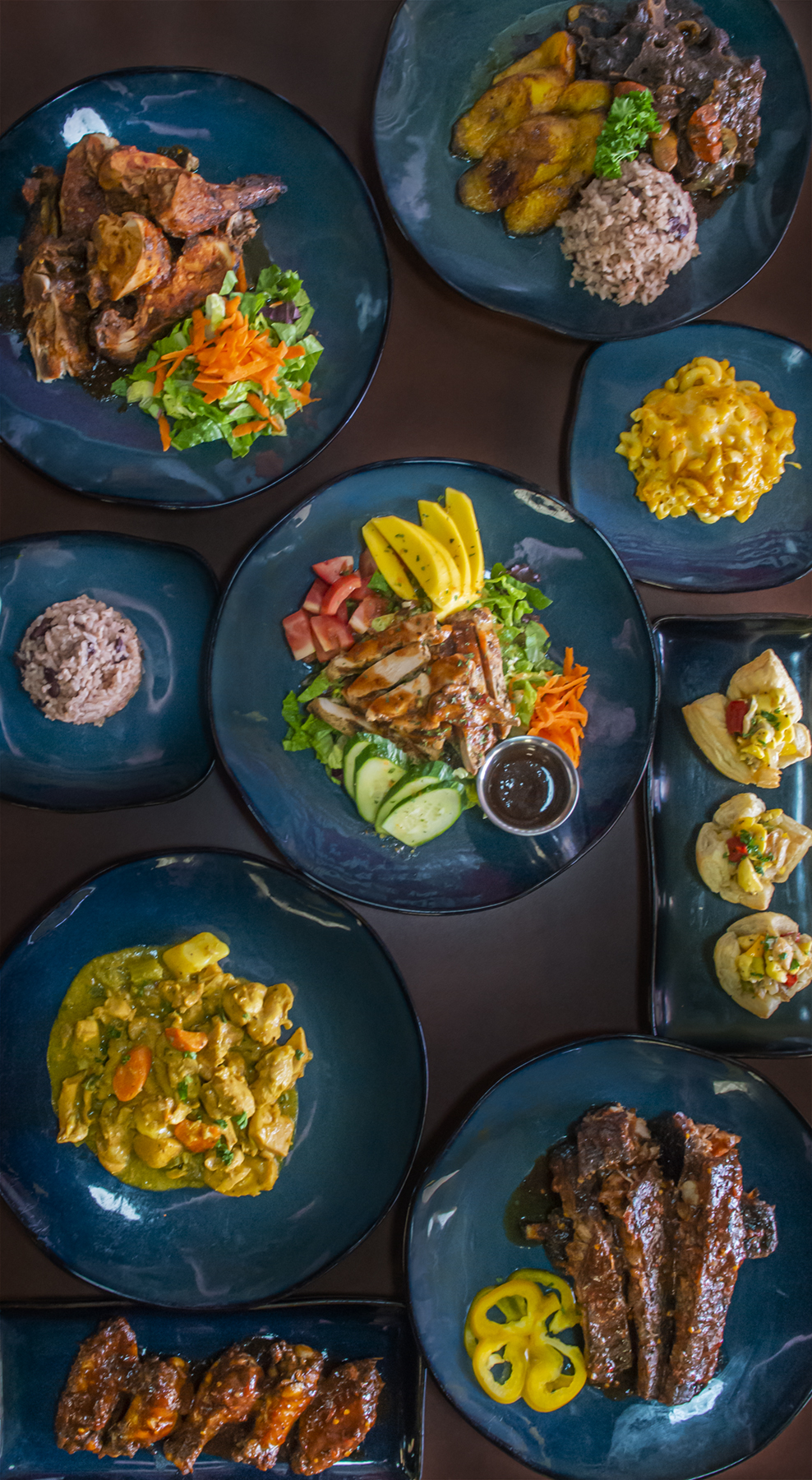
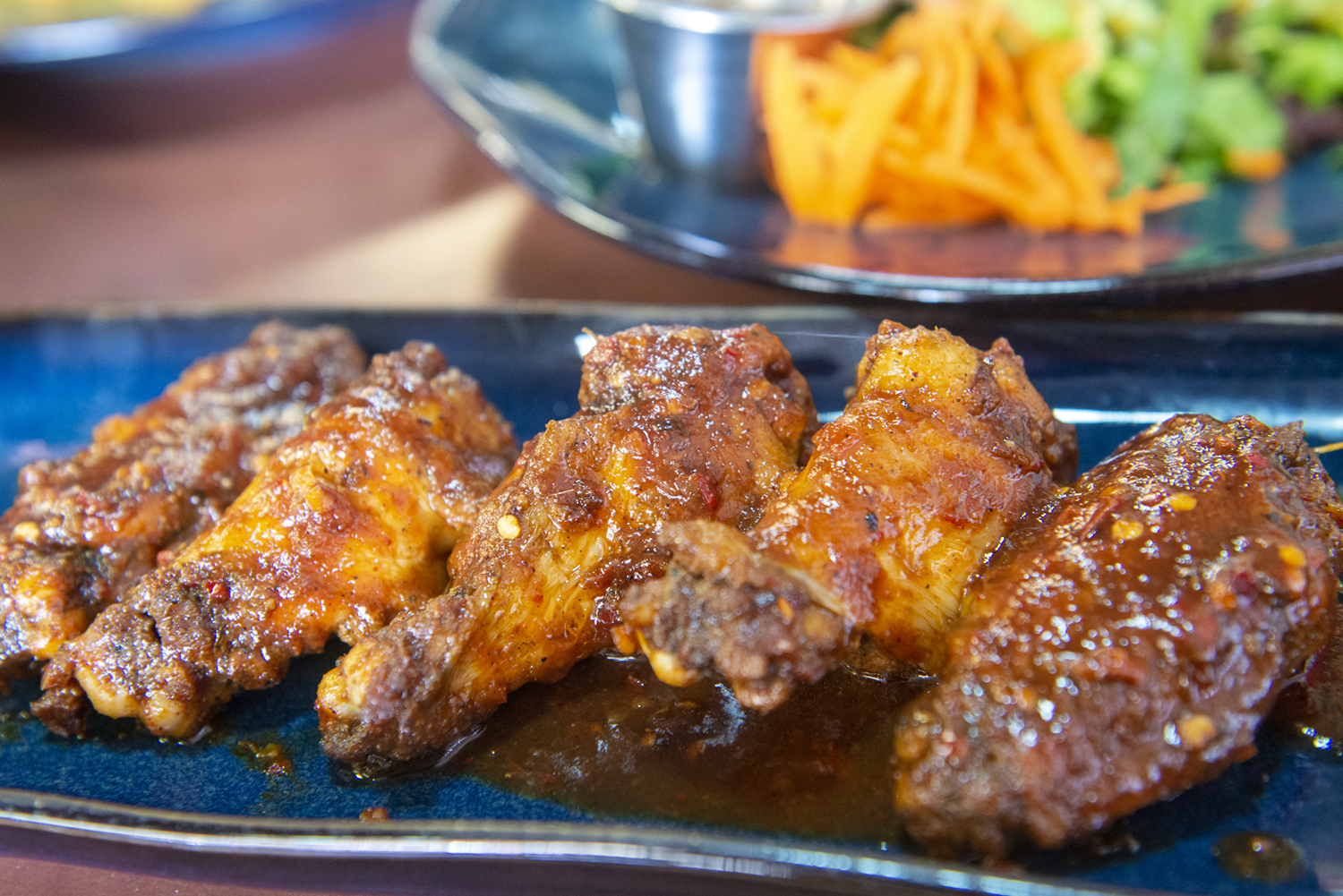
Denver’s food scene has matured well beyond steakhouses, green chile, and breweries. One of the more rewarding corners to explore is Jamaican cuisine, where deep spice, patient cooking, and sharp contrasts of heat, sweetness, smoke, and starch all come together on one plate. If you are searching for jamaican food denver diners talk about with real enthusiasm, it helps to know what makes these dishes special before you order.
Jamaican food can look straightforward at first glance. There is grilled chicken, rice, stewed meat, fried dough, plantains. Then you take a bite and realize how much is happening. Scotch bonnet peppers bring a bright, fruity heat that lands differently than the blunt burn of a generic hot sauce. Allspice, thyme, scallion, garlic, ginger, and browning sauce build layers rather than just seasoning the surface. Many dishes are also shaped by time, not only ingredients. Good jerk needs marination. Good oxtail needs hours. Good curry goat cannot be rushed without losing its depth.
In Denver, that matters because the best Jamaican meals are rarely the fastest ones. They are the ones that taste like someone cared enough to let the food develop properly. If you know what to order, and what separates an average version from a memorable one, you can eat very well.
What makes a great Jamaican meal
A strong Jamaican plate usually balances three things at once: bold seasoning, a comforting base, and at least one element that cuts through the richness. That is why rice and peas shows up so often beside spicy meat, and why cabbage, fried plantains, or a tart drink can make the whole meal feel complete.
There is also a textural side people sometimes overlook. The best jerk chicken should not be one-note. You want char on the edges, juicy meat beneath, and spice that clings rather than falls away. Oxtail should feel sticky and lush, but not greasy. Patties should shatter slightly at the crust and give way to a moist filling. Jamaican cooking rewards attention to texture just as much as flavor.
Denver diners sometimes come to Jamaican food expecting everything to be extremely hot. Some dishes are fiery, yes, but a lot of the craft lies in aromatic warmth and savoriness. Heat should support the dish, not erase it. That distinction becomes important when you are deciding what to try first.
Jerk chicken, the dish most people start with and for good reason
If there is one meal that anchors the conversation around Jamaican food in Denver, it is jerk chicken. It is popular because it is approachable, but it can also be the best test of a kitchen’s discipline. Jerk is not just “spicy grilled chicken.” At its best, it has a dark, fragrant crust built from a marinade or paste heavy with allspice, thyme, scallion, garlic, ginger, and chile. Traditionally, the cooking style carries a smoky element too, and that smoke is part of the dish’s identity.
A good jerk chicken plate should smell vivid before you even cut into it. You should catch spice, herbs, and char first. The meat, often thigh or leg quarters, should stay juicy, since dark meat handles aggressive seasoning and high heat better than breast meat. If the spice rub tastes only salty or only hot, something went wrong.
In Denver, where dry air can punish grilled meats quickly, moisture matters even more. The better versions compensate with generous marination and careful cooking. You may also see jerk served with a sauce on the side. That can work, but the seasoning should already be in the meat itself. Sauce should amplify, not rescue.
The classic plate usually comes with rice and peas and cabbage, sometimes with plantains. That combination is not filler. Rice and peas, cooked with coconut milk and kidney beans or gungo peas depending on the house style, softens the intensity of the jerk and rounds out the meal. The cabbage adds a lightly sweet vegetal note that keeps the plate from becoming heavy.
Oxtail, when you want the richest and most satisfying option
There is a reason people who know Jamaican food tend to order oxtail without hesitation. Done properly, it is one of the most luxurious dishes in the cuisine. The meat is braised until tender, often in a deeply seasoned gravy that picks up sweetness, savory depth, and a little peppery warmth along the way. The result should be glossy, rich, and almost spoon-soft, with enough structure left for the meat to hold together.
Oxtail is not a light lunch. It is the kind of meal that asks you to slow down. The sauce usually spills into the rice and peas, which is exactly what you want. Every bite should feel concentrated. If jerk chicken is vivid and sharp, oxtail is darker and rounder, more about depth than brightness.
Because oxtail has become expensive nationwide, portions and pricing can vary quite a bit. That does not necessarily mean a place is overcharging. It is simply one of those dishes where the ingredient cost and labor are real. What matters is whether the plate delivers enough richness and tenderness to justify it. If the meat feels tight, stringy, or underseasoned, keep moving. Good oxtail should taste like patience.
For first-time diners, this is often the meal that changes their understanding of Jamaican cuisine. They come in expecting heat, and they leave talking about gravy.
Curry goat, the sleeper favorite for people who love slow-cooked spice
Curry goat deserves more attention than it gets. In many Jamaican kitchens, this is the dish regulars order when they want something more complex than grilled chicken but less lush than oxtail. Goat has a distinct flavor, slightly earthy and more assertive than beef or chicken, which makes it ideal for curry. The spice blend in Jamaican curry differs from many Indian or Thai curry traditions. It tends to lean warm, savory, and fragrant, often with turmeric, coriander, cumin, and regional variations, then layered with fresh aromatics and chile.
What makes curry goat so satisfying is how the meat and sauce evolve together. The goat should become tender without turning mushy, and the curry should cling to the rice rather than run off it like a thin soup. Denver kitchens that do this well usually understand restraint. Too much curry powder can flatten the dish. Too little and it loses its character.
This is also one of the best orders if you want to understand how Jamaican food handles spice beyond jerk. The heat can be present, but it is usually woven into the sauce rather than sitting on top. The result feels more integrated, more sustained. If you enjoy braised dishes and you are willing to try something a little less familiar, curry goat is often the smartest order on the menu.
Escovitch fish, the move when you want brightness and contrast
Not every standout Jamaican meal is heavy. Escovitch fish can be one of the sharpest, most balanced dishes on the table. Usually built around fried whole fish, it is topped or dressed with a vinegary mixture of onions, carrots, and peppers. The fish brings crisp skin and tender flesh, while the escovitch topping cuts through with acid and heat.
This is a dish for people who appreciate contrast. The https://privatebin.net/?fb1249eb386a0038#BiCZUK4SRTSqi8DD1127UghS5DsnRrN4ZLXQ5WKn4h1Q first thing you notice is often the crunch, then the tang, then the delicate flavor of the fish underneath. It is especially appealing if you want Jamaican food that feels bold without being weighed down by gravy or starch, though you will still often get sides that turn it into a substantial meal.
Ordering whole fish can intimidate some diners, but it should not. Yes, you need to work around bones. That is part of the experience, and the payoff is better flavor and texture. Boneless fillets are convenient, but whole fish fries better and stays juicier. If you are comfortable eating fish on the bone, escovitch is one of the most rewarding choices you can make.
In a city like Denver, far from the coast, fish quality and handling matter. When a Jamaican kitchen serves excellent escovitch, it tells you a lot about its standards.
Beef patties, the best entry point for a quick meal
A Jamaican beef patty is one of the simplest things on the menu, and one of the easiest to underestimate. It looks modest: a hand-held pastry, usually golden or orange-tinted from turmeric or curry, folded around a savory filling. But a good patty has real craft behind it.
The crust should be flaky without crumbling into dust. The filling should be moist, well seasoned, and assertive enough to stand up to the pastry. Beef is the classic option, but you may also see chicken, vegetable, or spicier variations. In some places, you can have a patty tucked into coco bread, which turns a snack into a full, soft, satisfying sandwich.
For lunch, a patty is hard to beat. It travels well, it is affordable, and it gives you a clean first impression of a kitchen’s seasoning. If the filling tastes dull, the bigger dishes may not improve from there. If the patty is lively, balanced, and freshly baked or reheated with care, that is a promising sign.
Denver’s casual dining culture makes patties a natural fit. They suit a quick downtown lunch, a takeout stop on the way home, or an easy introduction for someone who is curious about Jamaican food but not ready to commit to a full plate.
Brown stew chicken, for diners who prefer savory depth over smoke
Jerk gets the headlines, but brown stew chicken is often the more comforting order. It starts with browned chicken, then simmers with onions, peppers, herbs, and seasonings until the sauce develops a dark, savory sweetness. The name tells you a lot. This is stew with body, color, and a little sheen, not broth.
Brown stew chicken often appeals to people who want Jamaican flavors without the sharper edge of jerk spice. It still has depth and personality, but the experience is gentler. You get tenderness, gravy, and a rounded flavor that pairs naturally with rice and peas. The best versions also carry enough caramelization to keep the dish from tasting flat.
This is an excellent choice for anyone dining with mixed spice tolerances. One person can order jerk, another can order brown stew, and both will still feel like they are eating from the same culinary language.
Ackee and saltfish, the dish to try if you want the most traditional experience
Ackee and saltfish carries special status in Jamaican cooking, and for good reason. Ackee, when prepared properly, has a soft, delicate texture that some compare loosely to scrambled eggs or very tender avocado, though it is really its own thing. Saltfish, usually cod that has been cured and soaked, brings salinity and chew. Cooked together with onion, tomato, scallion, and peppers, the dish lands as savory, gentle, and surprisingly nuanced.
This is not always the easiest Jamaican dish to find regularly on every menu, and in some places it appears more often at breakfast or brunch than at dinner. But if you see it in Denver, order it at least once. It teaches you something important about Jamaican food: not every iconic meal depends on chile heat or heavy browning. Some of the most meaningful dishes are about restraint, familiarity, and balance.
Ackee and saltfish also rewards context. Paired with fried dumplings, plantains, or boiled provisions, it becomes more than a plate, it becomes a window into everyday Jamaican eating.
The sides that make the meal complete
Jamaican meals are not built around a star protein alone. The supporting pieces matter enough that they can elevate or flatten the whole experience.
Here are the sides worth paying attention to:
- Rice and peas, the classic companion, should taste of coconut, aromatics, and the pot it was cooked in, not plain white rice with beans stirred through.
- Fried plantains should be sweet and soft with caramelized edges, not pale or starchy.
- Steamed cabbage should bring freshness and a little sweetness, especially next to spicy or braised meats.
- Festival, a slightly sweet fried dough, works beautifully beside jerk because it cools and rounds the heat.
- Coco bread turns patties into something more substantial and adds a soft, mildly sweet counterpoint.
If a restaurant handles these details well, it usually handles the main dishes well too. Sides are often where care shows up most clearly.
How to order Jamaican food in Denver if it is your first time
If you are new to the cuisine, do not overcomplicate it. Start with one grilled dish, one braised dish, and a patty if you are sharing. That gives you a good sense of the range. Jerk chicken shows you smoke, spice, and char. Oxtail or curry goat shows you what Jamaican cooking can do with slow heat and gravy. A patty gives you a quick benchmark for seasoning.
It is also worth asking how spicy a house runs in practice, not just on paper. Some kitchens label jerk as medium when it hits much harder than that. Others tone it down for a broad audience and keep hotter sauces available separately. There is no shame in asking. The goal is to enjoy the flavor, not prove a point.
Timing can matter too. Dishes like oxtail, curry goat, and certain specials may sell out, especially on weekends or late in the day. That is not always a bad sign. In many cases, it means the kitchen made a limited amount and people knew to show up for it.
For a strong first order, keep this simple:
- Jerk chicken if you want smoke, char, and classic spice.
- Oxtail if you want the richest, most indulgent plate.
- Curry goat if you like layered spice and tender braised meat.
- Escovitch fish if you prefer something bright, crisp, and less heavy.
- Beef patty if you want a quick, affordable introduction.
That small roadmap can save you from ordering too cautiously and missing what the cuisine does best.
What Denver diners often get wrong about Jamaican food
One common mistake is treating Jamaican cuisine as if it were interchangeable with generic “Caribbean” food. There are overlaps across the region, of course, but Jamaican cooking has its own signatures, especially in jerk seasoning, patty culture, ackee, escovitch, and the way certain gravies are built. If you care about food, specificity matters.
Another mistake is focusing only on spice level. Heat is part of the story, not the whole story. Jamaican food is often deeply aromatic, herb-driven, and balanced with sweetness or acidity. A plate of jerk that burns without complexity is not more authentic just because it is hotter.
Then there is the tendency to underrate the starches. Rice and peas, festival, plantains, and dumplings are not afterthoughts. They are essential architecture. They carry sauce, absorb spice, and create contrast. Remove them, and the meal can feel lopsided.
Why the best Jamaican meals linger in your memory
Part of it is flavor, obviously. A properly seasoned jerk chicken or a glossy plate of oxtail has a way of sticking with you. But there is something else at work. Jamaican food often gives you a feeling of abundance without excess. The plates can be generous, yet the flavors remain intentional. Heat meets sweetness. Smoke meets softness. Crisp edges give way to slow-cooked interiors. There is tension in the meal, and that tension keeps it interesting.
That is exactly why the search for great jamaican food denver offers is worth the effort. In a city where diners have more options than ever, Jamaican cuisine still cuts through because it delivers sensory contrast and emotional comfort in the same sitting. You can eat a plate of curry goat that feels deeply warming in winter, or escovitch fish that tastes alive in summer. You can grab a beef patty on a busy afternoon, then come back later for a full jerk dinner when you have time to settle in.
If you are deciding where to start, start with the meals that show the cuisine’s full range. Order jerk chicken for its fire and smoke. Try oxtail for its depth. Make room for curry goat. Do not skip patties. If escovitch fish or ackee and saltfish are on offer, take the opportunity.
That is how Jamaican food reveals itself, not in one dish alone, but in the way the whole table begins to make sense.
Reggae Pot Jamaican Grill
Address: 2243 S Monaco St Pkwy #104, Denver, CO 80222
Phone number: +17204102956
FAQ About Jamaican Food Denver
What is typical Jamaican food?
Typical Jamaican food features bold, vibrant flavors created by blending African, Taino, European, and Asian influences.
What is a famous Jamaican dish?
Ackee and saltfish is Jamaica's national dish, made by sautéing the soft local ackee fruit with salted cod, onions, tomatoes, and spicy Scotch bonnet peppers.
What food is most popular in Jamaica?
The most popular and famous food in Jamaica is Jerk Chicken, celebrated worldwide for its smoky, spicy flavor.